
15 Kyoto Restaurants Worth the Splurge
Kyoto
Kyoto is believed to be where the modern tasting menu was created, when french chefs in the 50s and 60s visited the city. It continues to be a culinary destination to this day, with an amazing variety of cuisines at your disposal. Here are some places that are definitely worth the splurge.
Doppo
Daitoku-ji
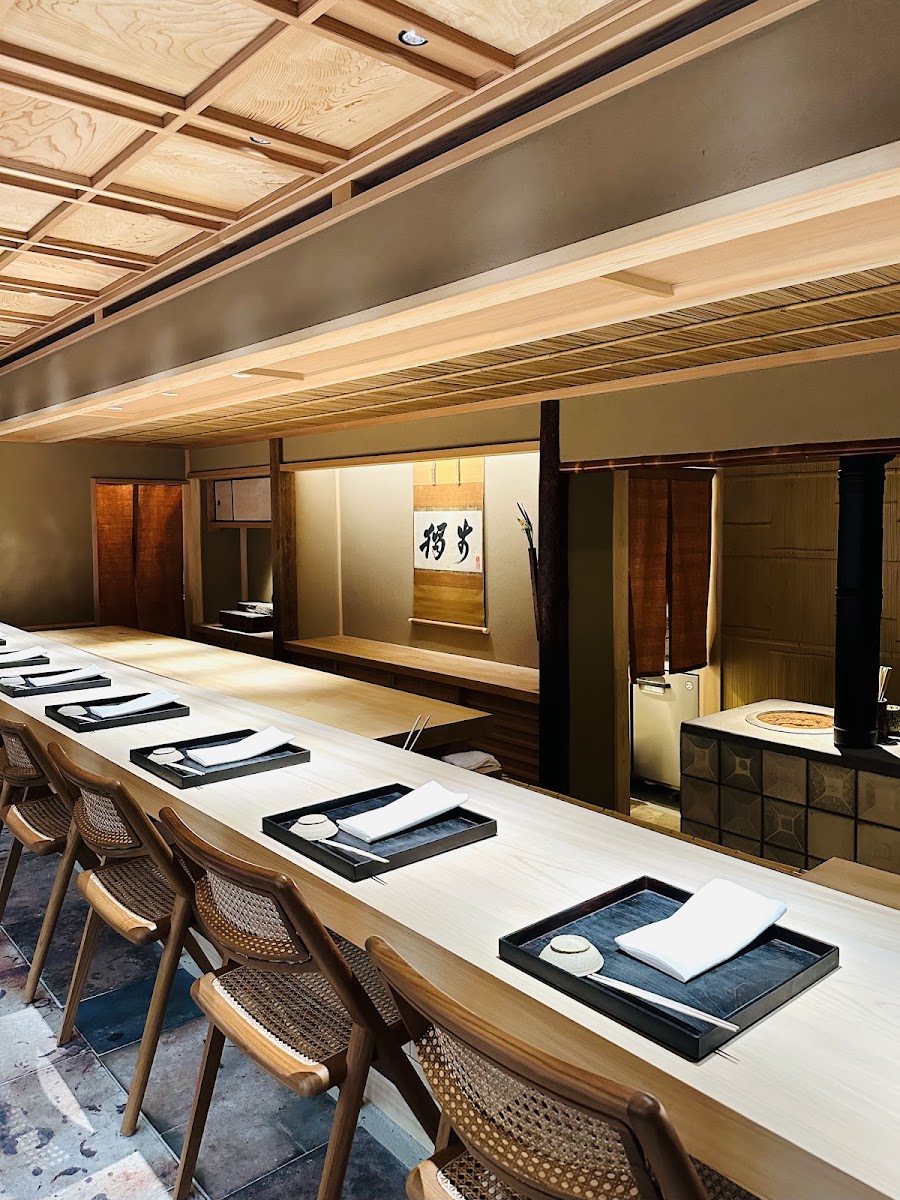
Photo: Google
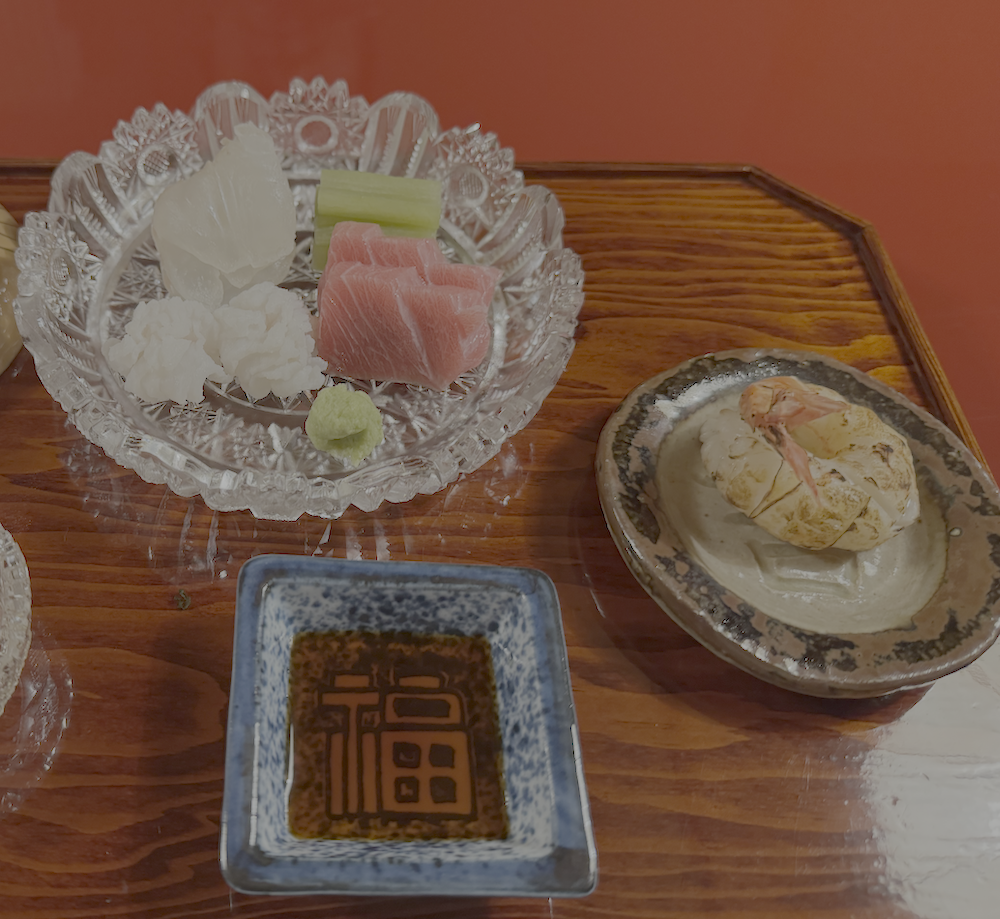
This fare shows equal reverence for the aesthetics and traditions of Japanese cuisine and for classical works of art. The teahouse-style interior that greets guests is appointed with hanging scrolls, vases and other accoutrements accumulated over many years. To harmonise with the serving-ware, cuisine is presented simply, accentuating the beauty of blank spaces. Knowledge of home-brewed sake and fermentation pay tribute to traditional foods. ‘Doppo’, meaning ‘unique’, was a favourite phrase of epicure Rosanjin Kitaoji, a devotee of beauty in all its manifestations.
1-1 Izumojimatsunoshitachō, Kita Ward, Kyoto, 603-8133, Japan
Gion Maruyama
NA
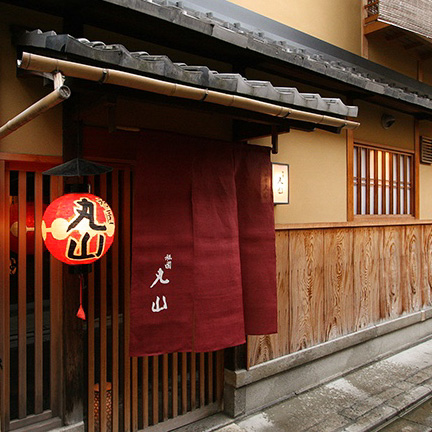
Photo: Google
Elegant traditional Japanese dining with seasonal kaiseki menus. Known for beautifully presented dishes and serene setting near Yasaka Shrine. Reservations recommended. Signature includes exquisite Kyoto-style kaiseki with fresh local ingredients.
570-241 Gionmachi Minamigawa, Higashiyama Ward, Kyoto, 605-0074, Japan
Gion Matayoshi
NA
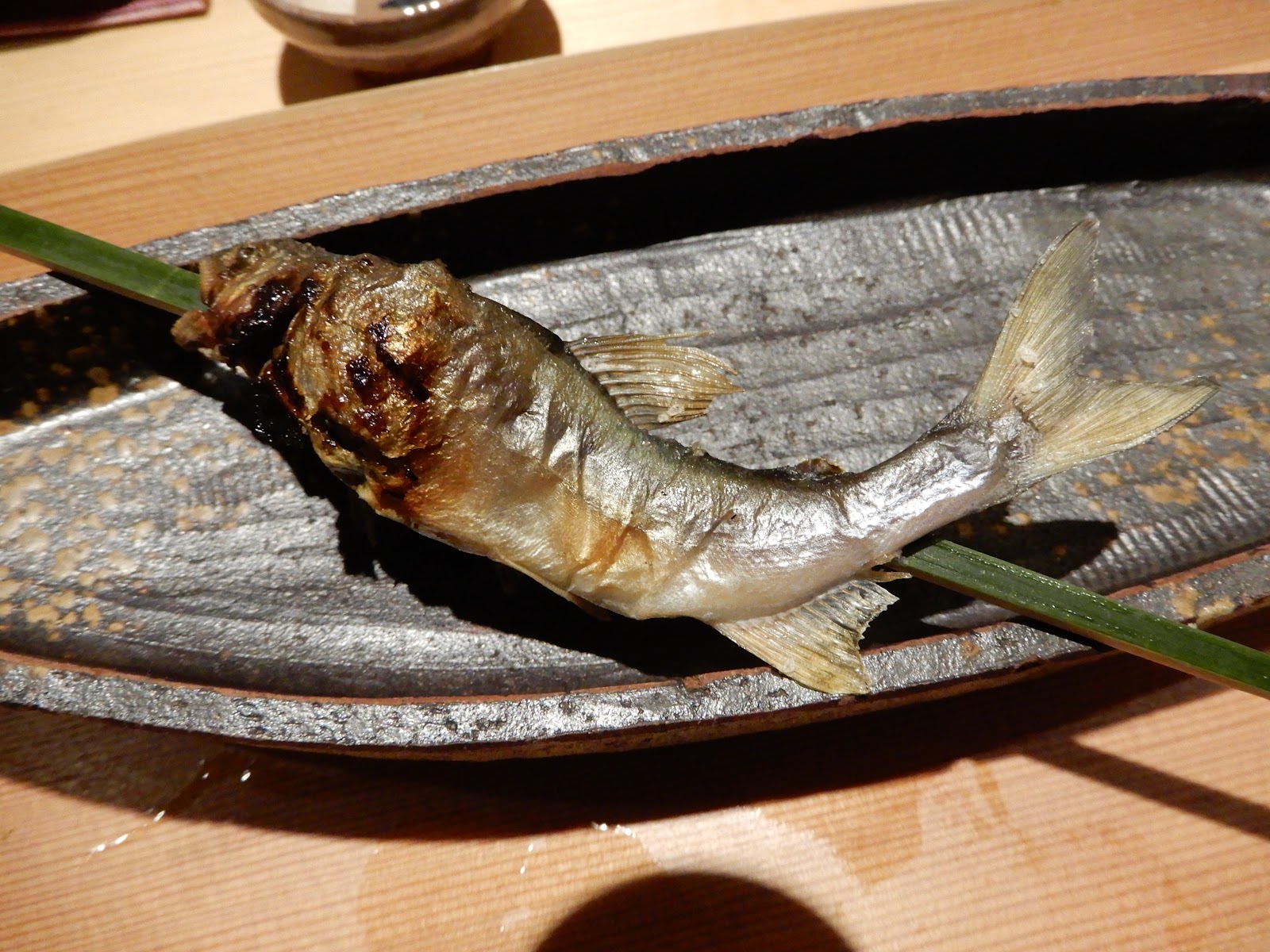
Photo: Google
An upscale Okinawan cuisine restaurant in Yasaka, specializing in refined presentations of traditional Okinawan flavors with a Kyoto twist. The tasting menu offers exquisite ingredients such as Agu pork and fresh island fish cooked with delicate techniques. The intimate tatami setting and personalized service elevate it as a destination for special-occasion dining.
570-123 Gionmachi Minamigawa, Higashiyama Ward, Kyoto, 605-0074, Japan
Gion Nishikawa
Shimokawara-cho
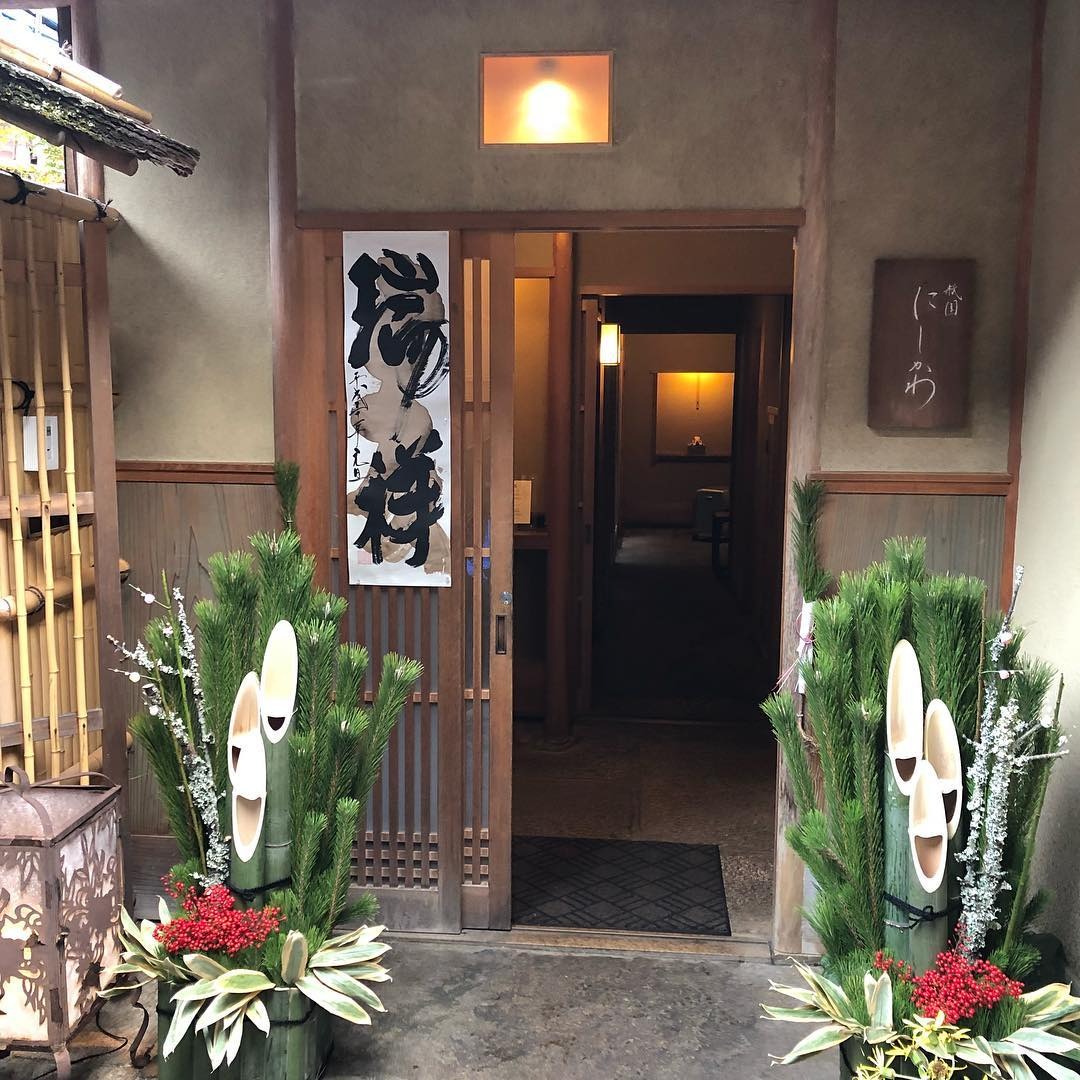
Photo: Google
Exclusive Kaiseki dining offering an intimate experience with Chef's carefully curated seasonal tasting menus. The setting is serene and traditional, perfect for special occasions with meticulously presented dishes highlighting Kyotos local delicacies.
473 Shimokawarachō, Higashiyama Ward, Kyoto, 605-0825, Japan
Gion Sasaki
Kyoto Imperial Palace
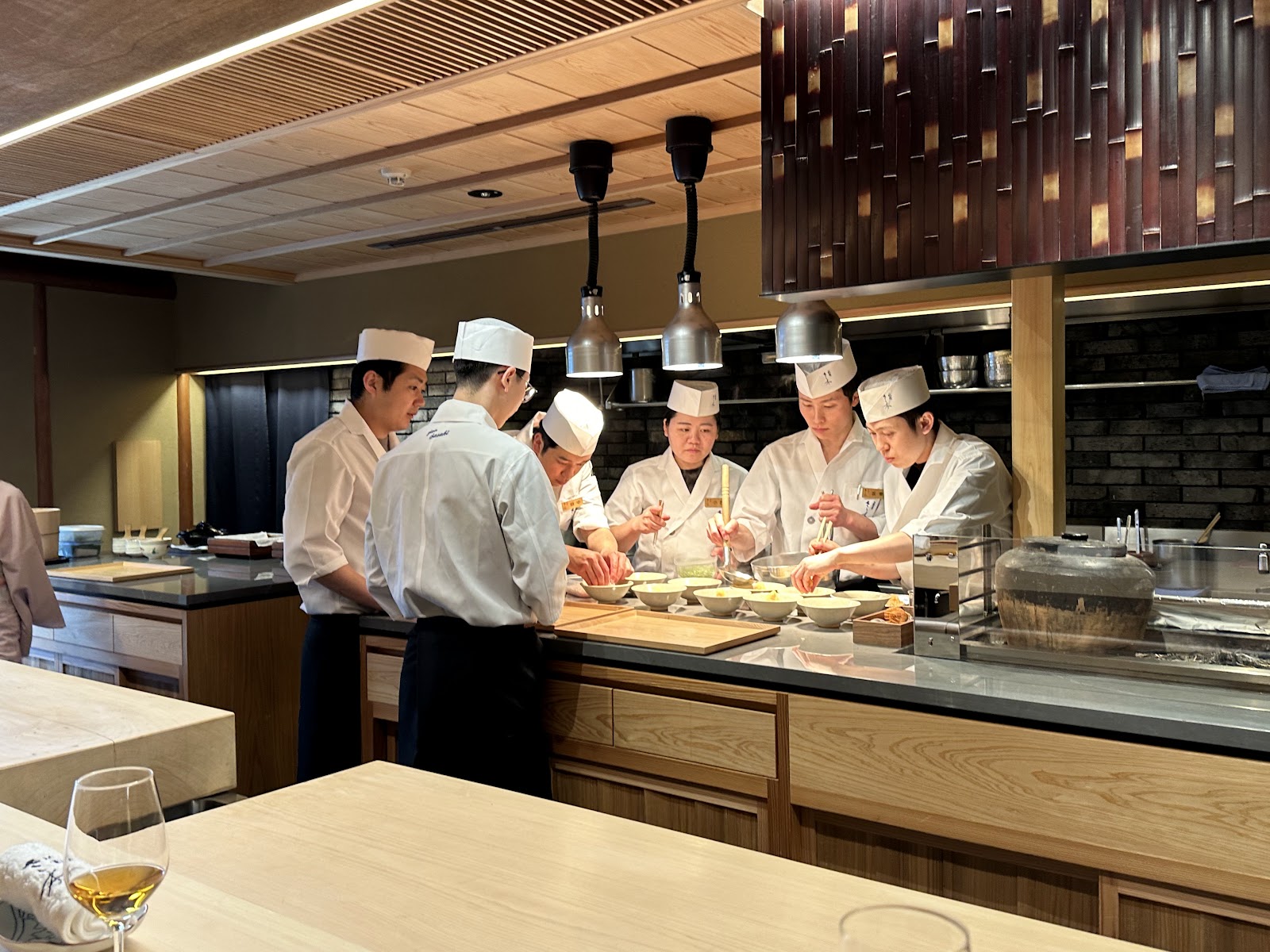
Photo: Google
Known for its avant-garde kaiseki cuisine, Gion Sasaki East uses local Kyoto produce in beautifully crafted multi-course tasting menus. Signature dishes include yuba with truffle and seasonal sashimi, served in a modern ambiance that complements the refined service.
566-27 Komatsuchō, Higashiyama Ward, Kyoto, 605-0811, Japan
Hyotei
Okazaki
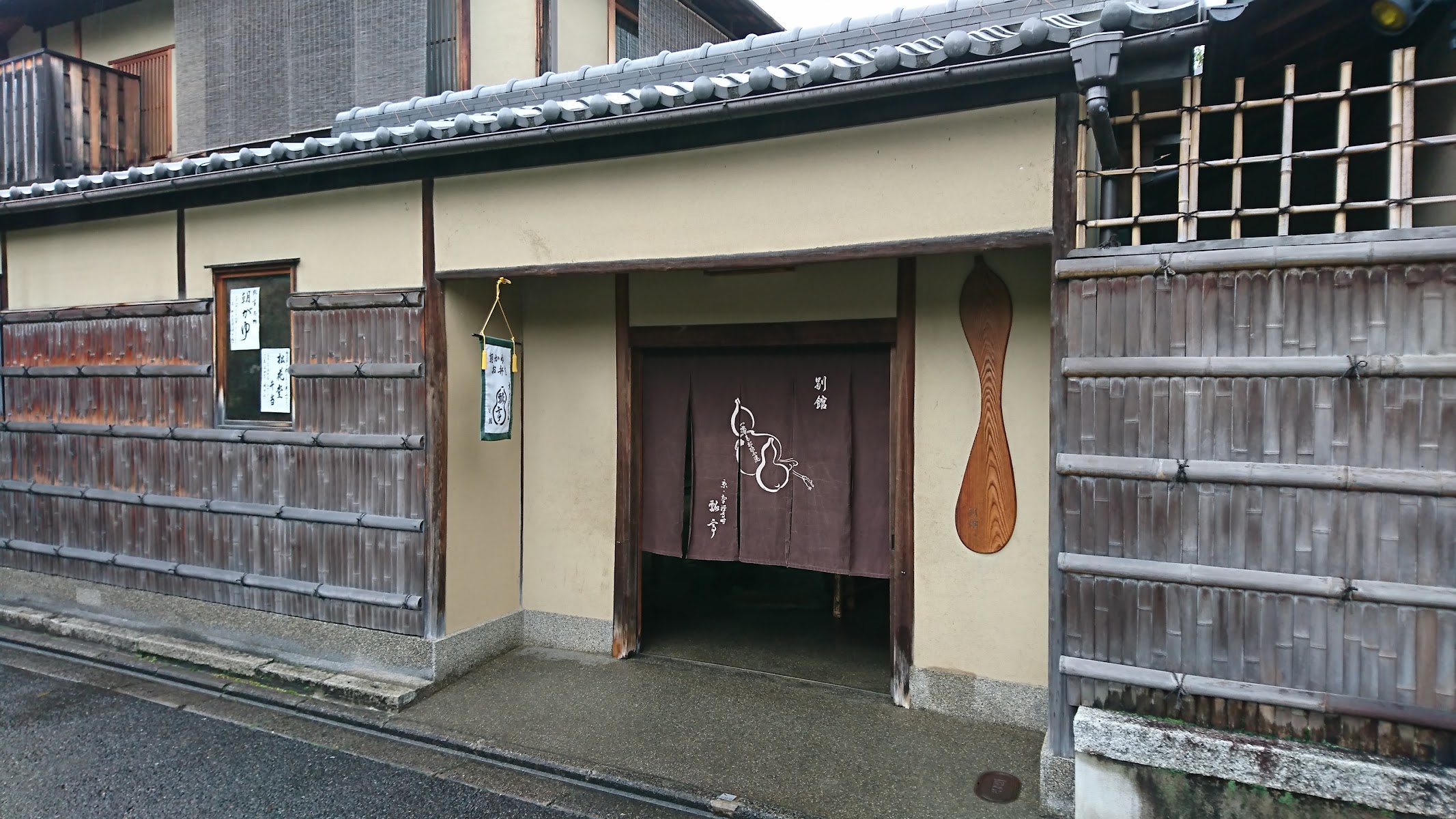
Photo: Google
Hyotei is a centuries-old Michelin-starred kaiseki restaurant celebrated for its serene garden views and meticulously crafted multi-course tasting menus based on local Kyoto ingredients. Highlights include delicate seasonal soups and perfectly grilled delicacies. The setting is tranquil and perfect for memorable dining experiences.
35 Nanzenji Kusakawachō, Sakyo Ward, Kyoto, 606-8437, Japan
Isshisouden Nakamura
NA
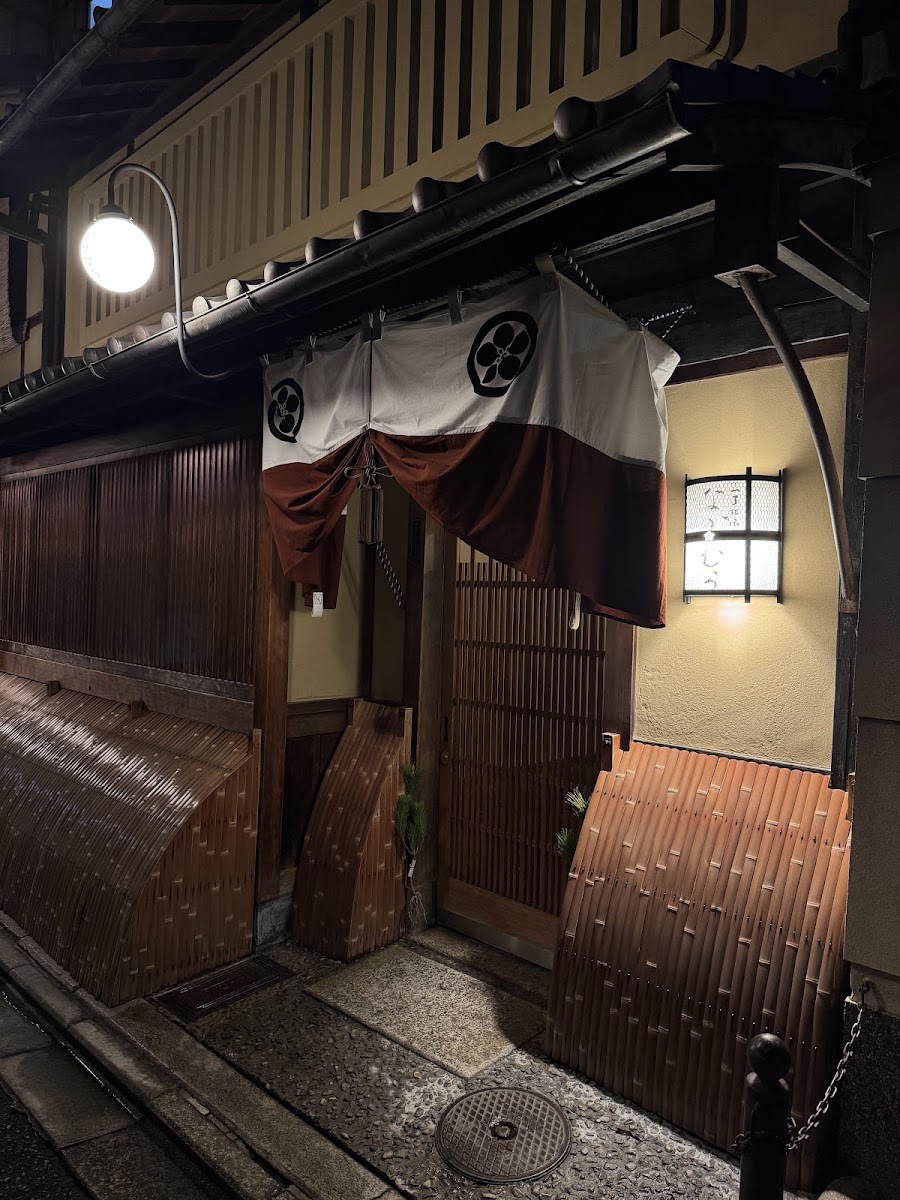
Photo: Google
Isshisoden Nakamura started out as a business hauling fish from the Wakasa region to Kyoto. For Motokazu Nakamura, the sixth-generation owner-chef, his restaurant’s name does not refer to a secret cooking technique passed down to a single heir, but rather to the spirit of treasuring every meeting. For the shiromiso zoni, the miso is dissolved in water alone. The remains of the sweet-grilled tilefish are turned into soup, not letting any flavour escape. The water bubbling up from the tiny inner garden is behind this restaurant’s best-known dishes.
136 Matsushitachō, Nakagyo Ward, Kyoto, 604-8093, Japan
Kikunoi Roan
Saitocho
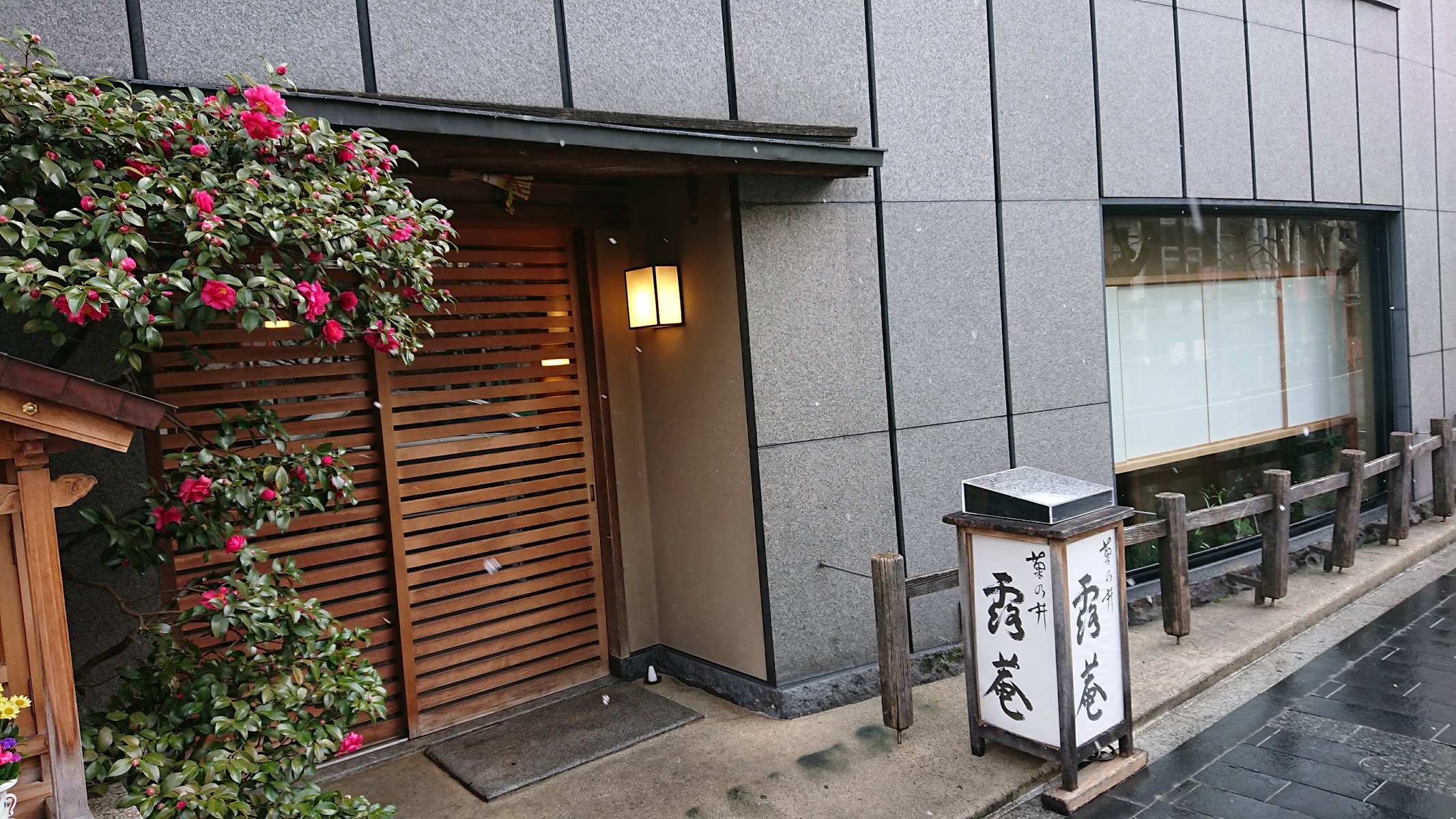
Photo: Google
An intimate fine dining experience offering a refined kaiseki tasting menu in a serene atmosphere. Signature dishes include seasonal kaiseki menus with exquisite presentation and flavors, perfect for special occasions with attentive and polished service.
118 Saitōchō, Shijō-sagaru, Shimogyo Ward, Kyoto 600-8012, Japan
Kodaiji Wakuden
Kiyomizu-zaka
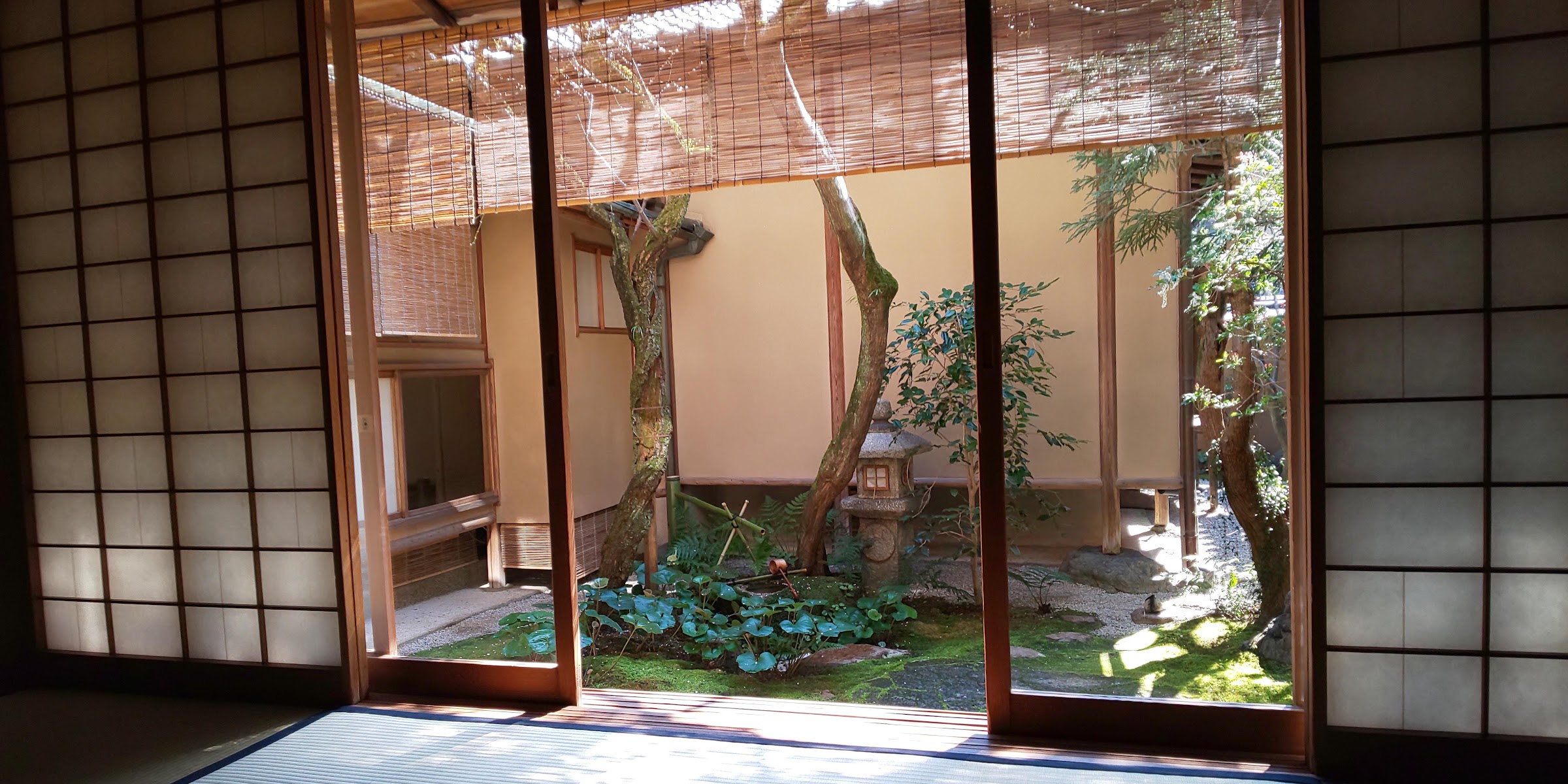
Photo: Google
This ryotei brings a fresh breeze to Japanese cuisine, bringing forth young and talented chefs. The fare overflows with rustic beauty. Bold yet refined, the dishes are served on both antique and modern plates. Seasonal ingredients such as Taiza crab and Japanese egg cockle are sourced from the Tango area, northern Kyoto prefecture, where Wakuden was founded. The premises are inspired by tea-ceremony arbours, the hostess gracious, the experience one of unbroken harmony.
512 Washiochō, Higashiyama Ward, Kyoto, 605-0072, Japan
Mizai
Gion
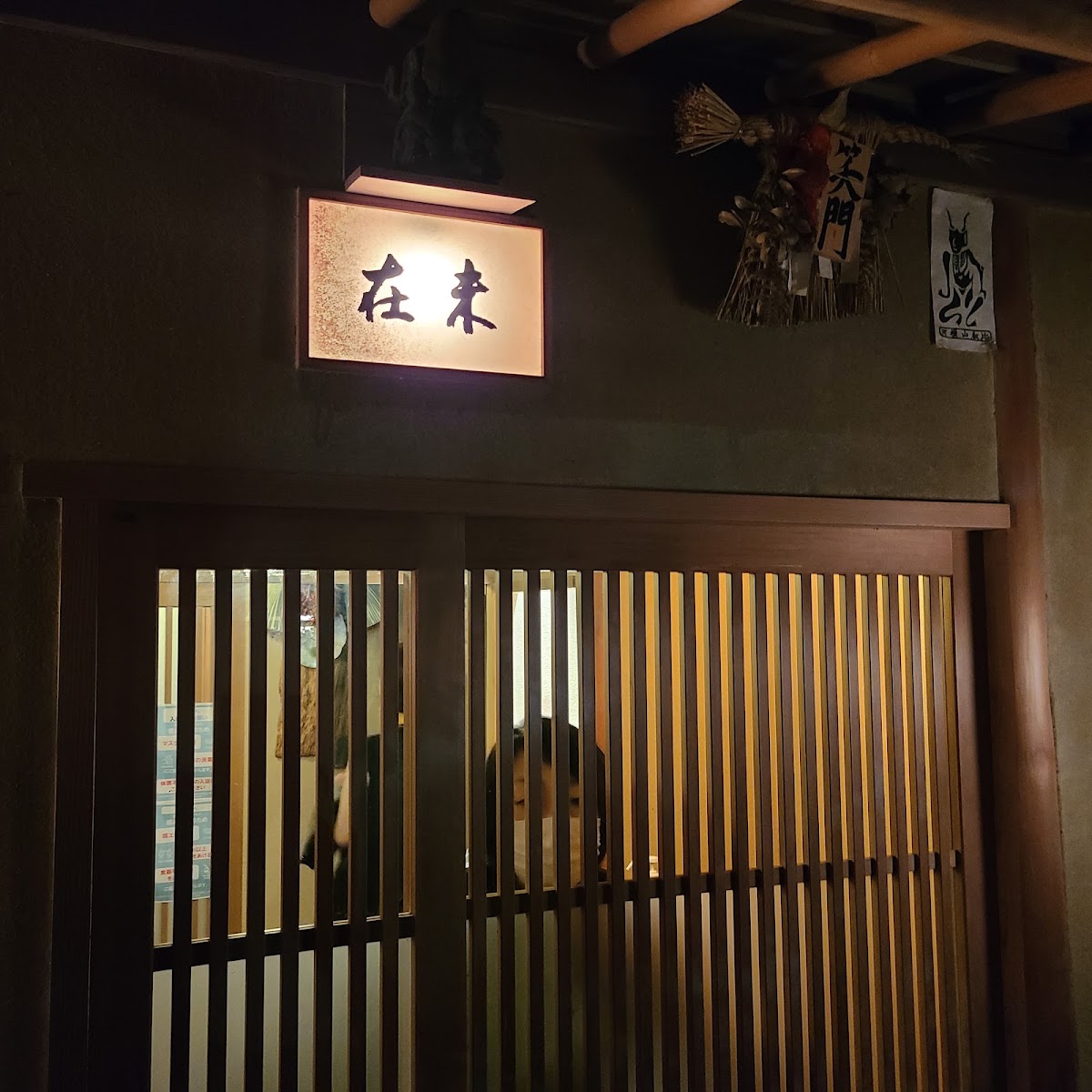
Photo: Google
‘Mizai’ means ‘not there yet’, the creed by which owner-chef Hitoshi Ishihara lives. All guests are served at the same time under the concept of ‘building together’ to facilitate communication. Rice is served freshly steamed rice and scorched to signify thanksgiving to Japan for her bounty. The matcha is made with holy water from Yasaka Shrine. Taking to heart the counsel of 16C tea master Sen-no-Rikyu, ‘arrive before the appointed time’, Ishihara is already waiting for customers at 6:00 p.m.
618 Maruyamachō, Higashiyama Ward, Kyoto, 605-0071, Japan
Muromachi Yui
Karasuma-Oike
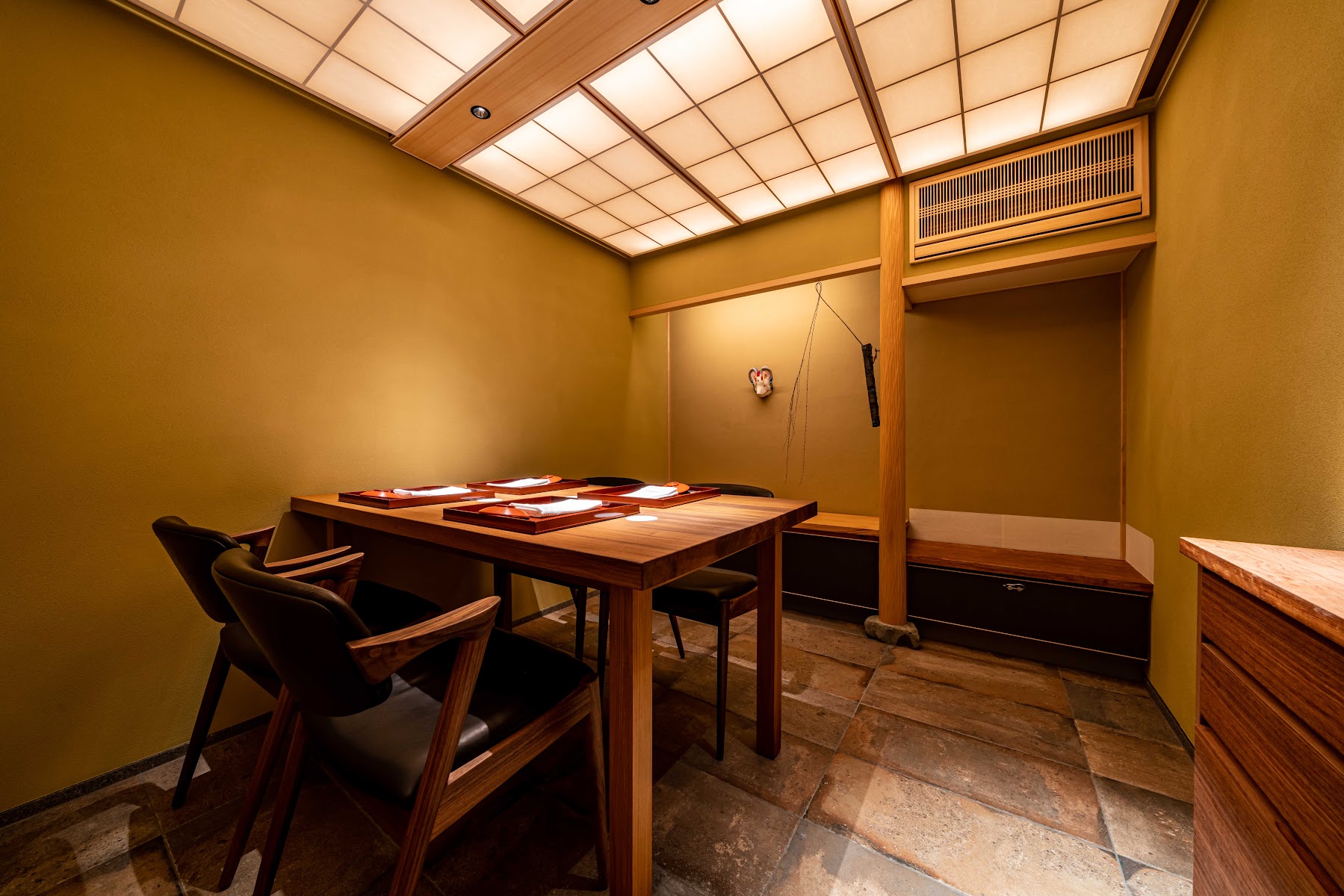
Photo: Google
Omakase dishes reflect the turning of the seasons; hassun platters convey the month’s events and customs. Dedicated to fresh-from-the-kitchen deliciousness, white rice is served the moment it’s cooked. A generous assortment of accompaniments, such as dried mullet roe, dried baby sardines with pickled plum and savoury seaweed paste, brings joy. ‘Yui’ is short for ‘yuiitsu-muni’, or ‘one and only’. Unique cuisine and unmatched décor captivate diners.
459 Kinbukichō, Nakagyo Ward, Kyoto, 604-0846, Japan
Otagi
Kinkaku-ji
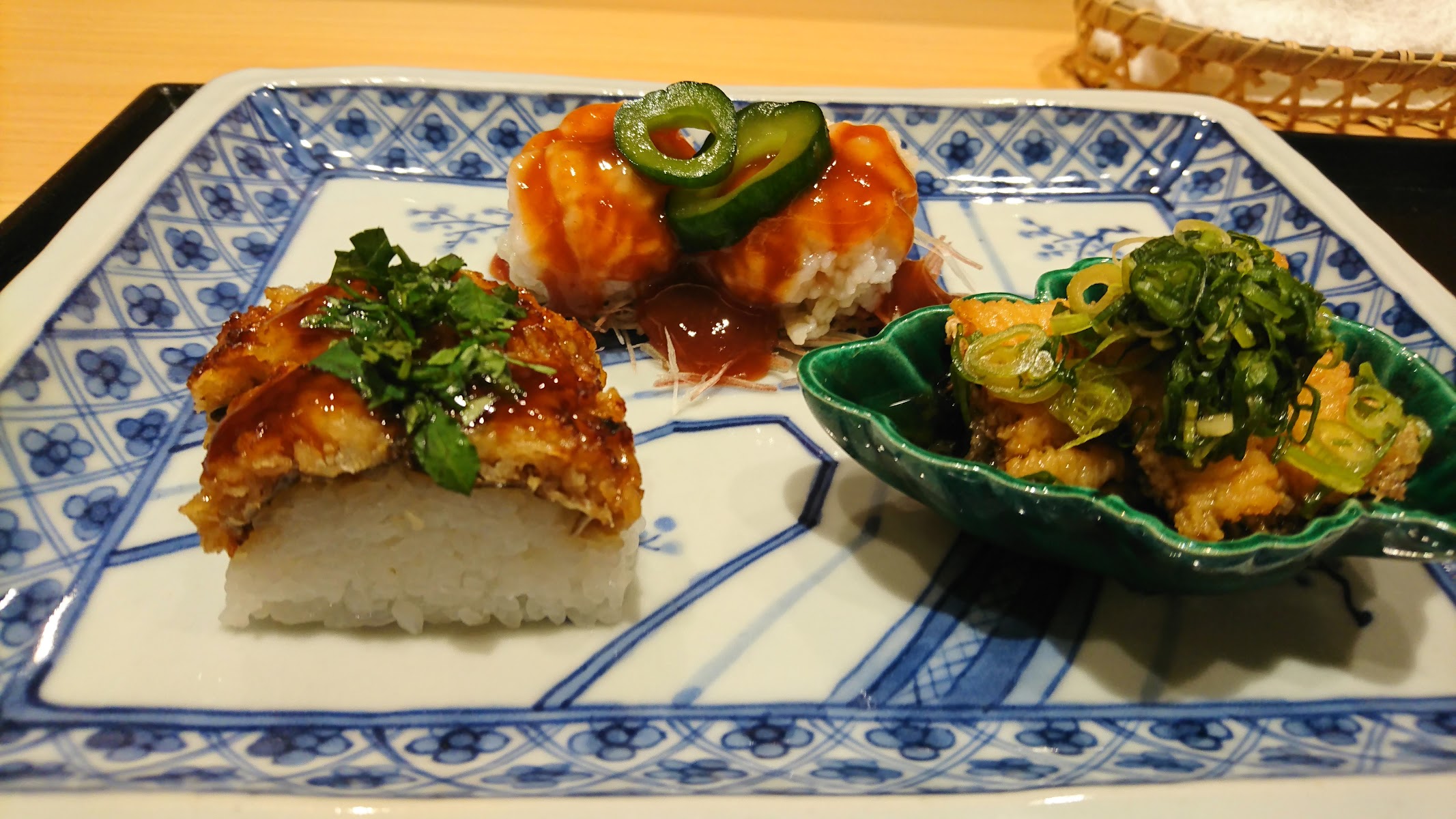
Photo: Google
The characters on the chopstick band read ‘Otagi’, the old name for the region. Out of devotion to his hometown, Kazuaki Baba built his restaurant on his grandmother’s land. He offers generous amounts of vegetables, grown by childhood friends living nearby. His creed is to take some liberties with tradition without exceeding the bounds of Japanese cuisine. The meal wraps up with hashed beef with rice; though many would regard this dish as Western, the dried bonito dashi soup stock, sake, sugar, miso and other ingredients used to make it are strictly Japanese.
18 Takagamine Dotenjōchō, Kita Ward, Kyoto, 603-8465, Japan
Ryosho
Kiyomizu-zaka
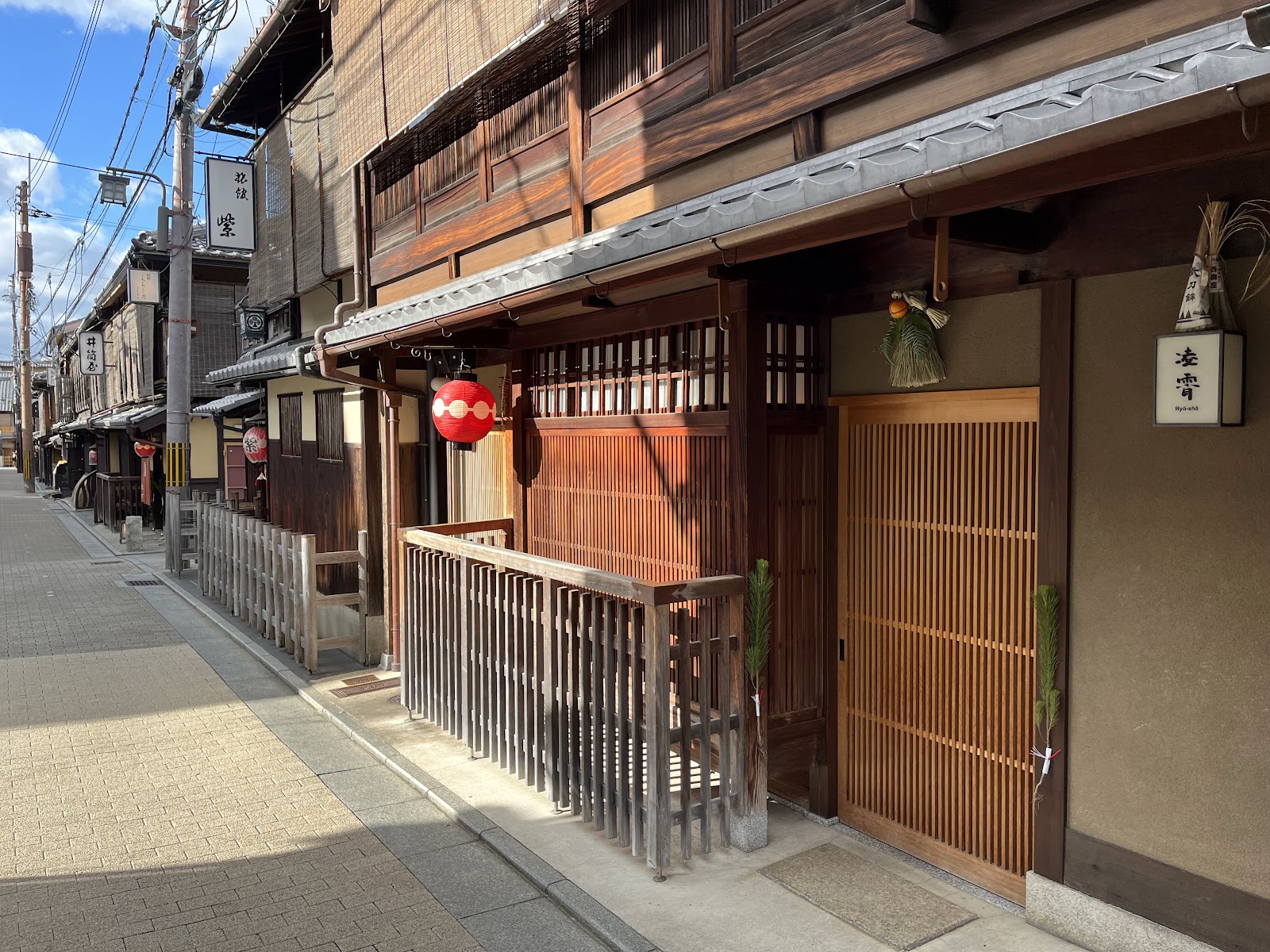
Photo: Google
Makoto Fujiwara colours within the lines of Japanese fare while moving with the changing times. Soup dishes and sashimi, for example, are an inherited tradition, but other items borrow a page or two from encounters with French cuisine. Spiny lobster is glazed with egg-yolk sauce; beef sukiyaki is enhanced with black truffles. Like Gion-minami, Kyoto’s geiko quarter, the old is interlaced with the new. Wine pairings denote a modern sensibility.
570-166 Gionmachi Minamigawa, Higashiyama Ward, Kyoto, 605-0074, Japan
Sojiki Nakahigashi
Yoshida
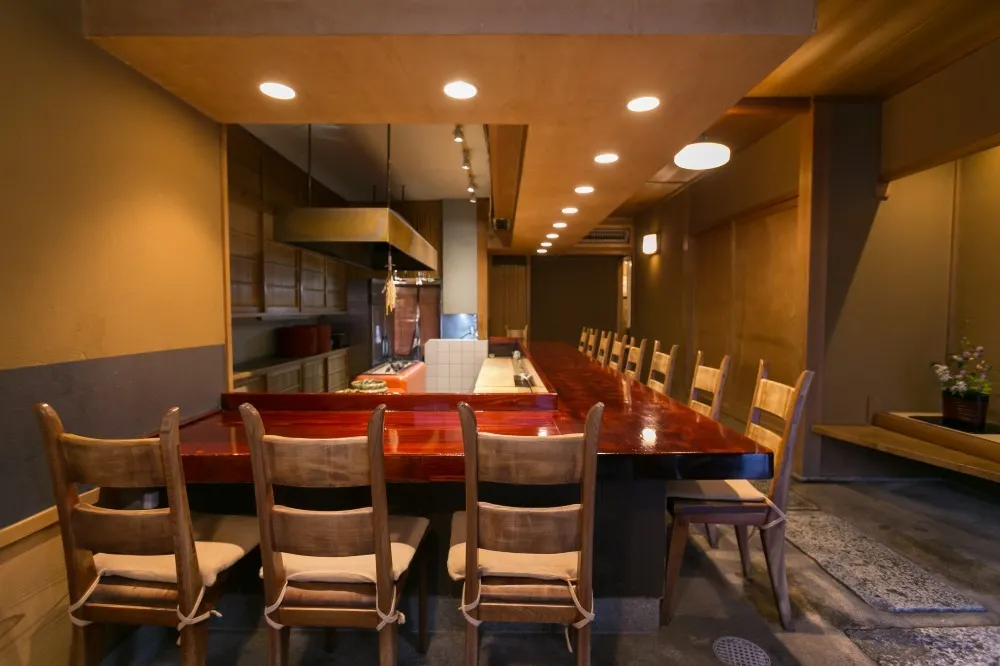
Photo: Google
The charm of rustic simplicity evokes longing for hometown roots. Sojiki means ‘herbivorous cuisine’, a gift from the bounty of nature. As if weaving a story, the menu overflows with natural flavours. Like a storyteller, the chef mesmerises as he talks about each dish, charming guests with his playful way with words. The stars are the rice cooked in an old-style okudo stove and the roasted dried sardines. No-nonsense cooking eloquently conveys the chef’s gratitude for his ingredients.
32-3 Jōdoji Ishibashichō, Sakyo Ward, Kyoto, 606-8406, Japan
Sumibi Kappo Ifuki
Gion
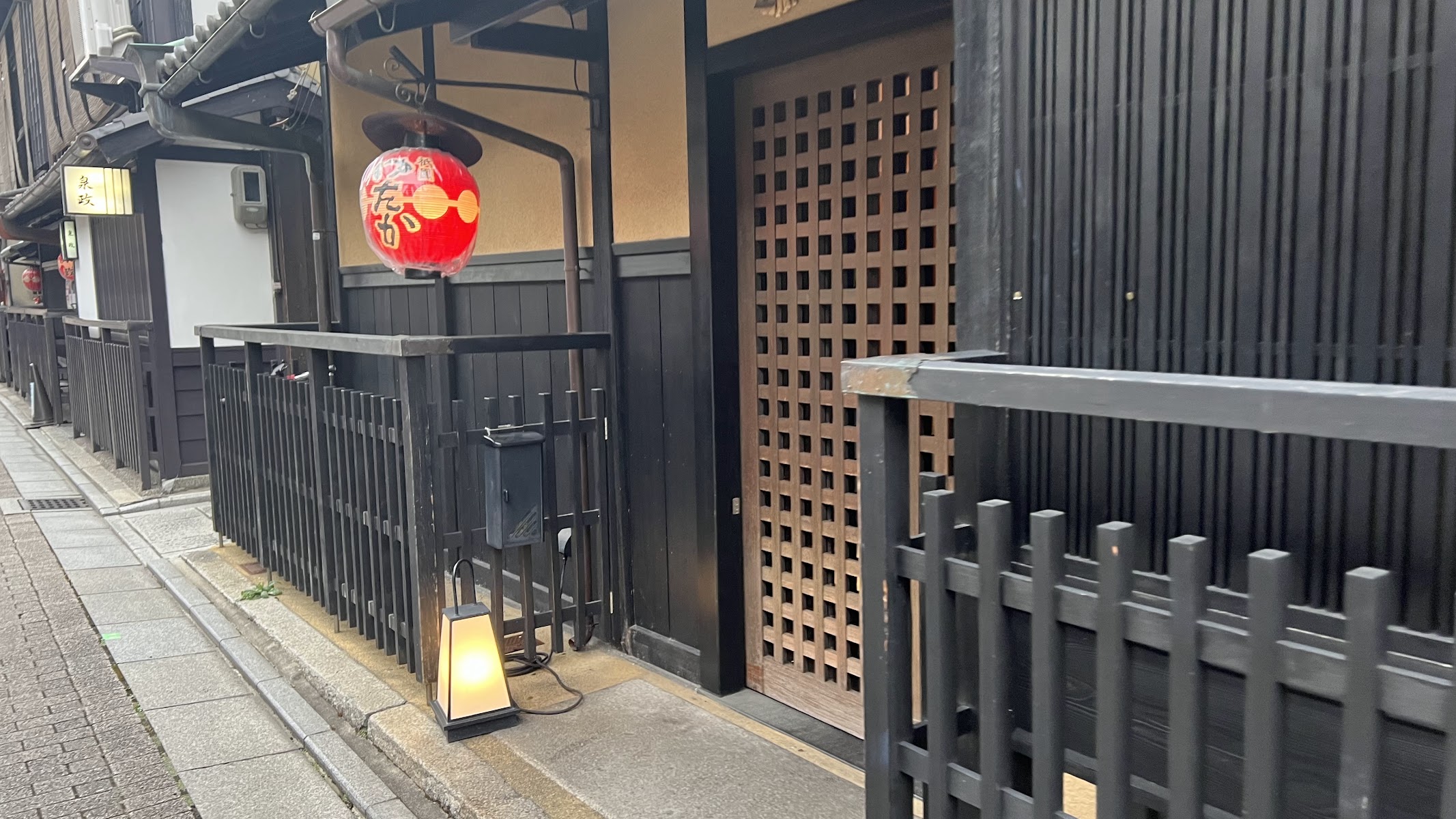
Photo: Google
In the culinary world, Norio Yamamoto treads his own path, which he calls sumibi-kappo, ‘charcoal-fired kappo’. What he prizes is fragrance, and the menu is replete with charcoal-grilled aromas. Soup dishes contain grilled items whose smoky flavour transfers to the dashi soup stock. For grilled items, guests can choose from tilefish, eel, wagyu beef and much else. From the primitive technique of char-grilling springs the breath, the ‘ifuki’, of the ingredients, hence the name of the restaurant.
570-8 Gionmachi Minamigawa, Higashiyama Ward, Kyoto, 605-0074, Japan